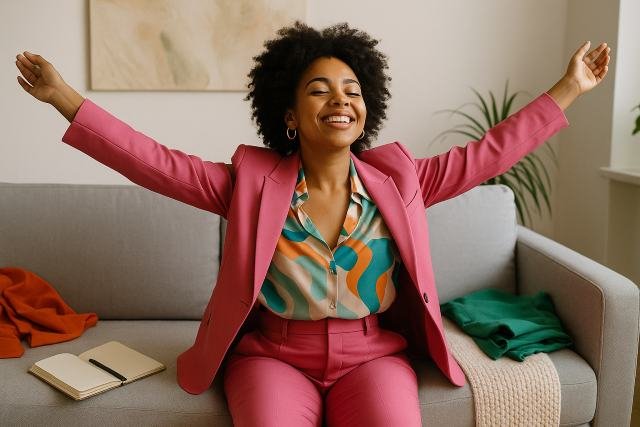
In today’s fast-paced world, self-care has evolved beyond meditation and journaling — it’s also about how we express ourselves outwardly. Fashion Therapy is a growing field that bridges psychology and style, showing how what we wear directly impacts how we feel.
From choosing colors that lift your mood to embracing clothing that reflects your authentic self, Fashion Therapy uses personal style as a tool for emotional healing, confidence-building, and self-discovery.
Let’s explore how this innovative approach to wellness helps people heal — one outfit at a time.
What Is Fashion Therapy?
Fashion Therapy is a form of emotional and psychological healing that uses clothing and personal style to enhance self-esteem, self-expression, and wellbeing.
It’s based on the concept that fashion isn’t superficial — it’s deeply personal. What we wear affects not only how others see us, but how we see ourselves. By intentionally curating our wardrobes, we can use fashion as a means of self-empowerment and identity restoration.
“Clothing is a form of self-expression — what you wear speaks before you do.”
— Rachel Zoe, fashion designer and stylist
Fashion Therapy Combines:
- Psychology: Understanding emotional patterns and self-perception.
- Color Theory: Using shades and tones to influence mood and energy.
- Personal Styling: Aligning your wardrobe with your authentic personality.
The Science Behind Fashion Therapy
Research in fashion psychology supports the idea that clothing impacts mood, productivity, and confidence.
According to a study published in the Journal of Experimental Social Psychology, people who wore “power clothing” — such as formal suits — performed better in cognitive tests and felt more authoritative compared to those in casual attire.
This psychological phenomenon, known as “enclothed cognition,” explains how clothing can influence behavior and mindset.
| Scientific Concept | Fashion Therapy Connection |
|---|---|
| Enclothed Cognition | Wearing certain styles can alter your self-perception and performance. |
| Color Psychology | Bright colors (like yellow or red) boost energy; cool tones (blue or green) calm the mind. |
| Body Positivity | Clothing that fits and flatters promotes self-acceptance. |
| Symbolic Meaning | Outfits can represent healing, empowerment, or transformation. |
The Emotional Power of Fashion Therapy
Clothing tells a story — not just to the world, but to yourself. Through Fashion Therapy, you can rewrite that story.
1. Building Confidence
Wearing clothes that reflect who you truly are helps improve self-image. When you look good by your own standards — not society’s — you feel good. This internal shift often leads to greater assertiveness and self-belief.
2. Managing Anxiety or Depression
Fashion Therapy encourages mindful dressing. Choosing soft fabrics, calming colors, or familiar textures can reduce anxiety by creating a sense of comfort and safety.
3. Reconnecting with Identity
After life changes — such as grief, divorce, or illness — personal style often changes too. Fashion Therapy helps people rediscover themselves through clothing that aligns with their current emotional state and aspirations.
4. Healing Through Creativity
Selecting outfits and experimenting with styles is a creative process. Creativity itself is therapeutic, promoting joy and mindfulness while reducing negative emotions.
Fashion Therapy is not about trends — it’s about transformation.
Fashion Therapy in Practice: How It Works
A typical Fashion Therapy session might combine elements of counseling and styling. Certified fashion psychologists or stylists guide clients to use clothing as a tool for introspection and empowerment.
Steps Involved
- Personal Reflection: Understanding emotional triggers related to self-image or style.
- Wardrobe Analysis: Identifying clothing that brings comfort or discomfort.
- Color Therapy: Incorporating shades that align with desired emotions.
- Style Reinvention: Building new looks that reflect one’s authentic self.
- Mindful Dressing: Choosing daily outfits with intention and awareness.
Example
Someone recovering from burnout may use Fashion Therapy by shifting from dull, oversized outfits to structured, colorful pieces that symbolize renewal and strength.
Fashion Therapy Techniques You Can Try at Home
You don’t need a professional stylist to begin using fashion for healing. Here are practical techniques to get started:
1. Mood Matching
- Dress in colors that express how you feel, not hide it.
- If you’re sad, wear something vibrant to uplift your spirit.
- If you’re calm, soft tones like sage green or beige can reinforce serenity.
2. Wardrobe Detox
- Remove clothes that make you feel anxious or disconnected.
- Keep only items that align with who you are now, not who you were.
- Ask yourself: “Does this piece support my confidence or drain it?”
3. Affirmation Dressing
- Choose outfits that symbolize your goals.
- Example: Wearing bold blazers for leadership energy or flowy dresses for creativity.
4. Mirror Mindfulness
- Look at yourself in the mirror each morning and acknowledge your worth.
- Say affirmations like, “I am confident. My style represents my strength.”
Fashion Therapy and Color Psychology
Color plays a central role in Fashion Therapy. It’s not just about aesthetics — it’s about emotional resonance.
| Color | Psychological Impact | When to Wear It |
|---|---|---|
| Red | Confidence, passion, energy | When you need motivation or courage |
| Blue | Calm, clarity, trust | When you seek peace or focus |
| Yellow | Happiness, creativity | On days you need optimism |
| Green | Balance, renewal | During emotional transitions |
| Black | Power, protection | When you need confidence or authority |
| White | Purity, new beginnings | When starting fresh |
Choosing the right colors can shift your mood and align your energy with your goals — a fundamental aspect of Fashion Therapy.
Case Studies: Fashion Therapy in Action
Case 1: Post-Breakup Reinvention
After a difficult breakup, Emily, a 30-year-old marketing executive, worked with a fashion therapist to rediscover herself. By replacing her neutral wardrobe with bold prints and structured silhouettes, she regained her confidence and sense of individuality.
Case 2: Overcoming Social Anxiety
James, a teacher, struggled with self-esteem. Through guided wardrobe exercises and affirmations, he found that choosing tailored, comfortable outfits in calming blues helped reduce anxiety before public speaking.
Case 3: Recovery and Self-Acceptance
After a serious illness, Monica used Fashion Therapy to reconnect with her changing body. She embraced clothing that celebrated her shape and used soft, breathable fabrics to promote comfort and acceptance.
These examples demonstrate that fashion can be deeply therapeutic — a bridge between emotional healing and outward transformation.
The Role of Fashion Therapists
Fashion therapists or fashion psychologists are trained professionals who combine mental health insights with styling expertise.
Their Focus Areas Include:
- Body image healing
- Post-trauma identity rebuilding
- Confidence and self-esteem enhancement
- Emotional regulation through color and texture
Many fashion therapists work in collaboration with psychologists, career coaches, or image consultants to provide holistic transformation programs.
Fashion Therapy vs. Traditional Styling
| Aspect | Traditional Styling | Fashion Therapy |
|---|---|---|
| Goal | To look good | To feel good and heal emotionally |
| Focus | Trends and aesthetics | Psychology, confidence, and identity |
| Method | Outfit curation | Self-reflection + emotional alignment |
| Outcome | Polished appearance | Empowered mindset and authenticity |
Unlike typical fashion consulting, Fashion Therapy prioritizes emotional wellbeing over external validation.
Fashion Therapy in the Modern World
In the post-pandemic era, people are re-evaluating their relationship with clothing. Comfortable, expressive, and meaningful fashion has replaced fast, status-driven trends.
Why It’s Rising in Popularity
- Increased mental health awareness.
- Desire for authenticity in personal style.
- Growing social media movements around body positivity and self-love.
Brands and stylists are responding by promoting “mindful fashion” — sustainable, inclusive, and empowering — aligning perfectly with the principles of Fashion Therapy.
According to Psychology Today, 68% of people report feeling more confident when wearing clothing that reflects their personality.
FAQs About Fashion Therapy
1. What is Fashion Therapy used for?
It’s used to improve self-esteem, manage anxiety, rebuild identity after trauma, and promote emotional wellness through clothing and style choices.
2. Do I need a professional to practice Fashion Therapy?
Not necessarily. You can start by applying mindful dressing principles and wardrobe reflection at home, though working with a fashion therapist can deepen results.
3. Is Fashion Therapy scientifically proven?
Yes, it’s supported by psychological concepts such as enclothed cognition and color psychology, both of which show measurable effects on mood and behavior.
4. How is Fashion Therapy different from retail therapy?
Retail therapy is impulsive shopping for short-term satisfaction, while Fashion Therapy is intentional and healing-focused — it’s about self-awareness, not consumption.
5. Who can benefit from Fashion Therapy?
Anyone seeking confidence, self-expression, or emotional balance can benefit, regardless of gender, age, or fashion background.
Conclusion: The Transformative Power of Fashion Therapy
Fashion Therapy reminds us that clothing is more than fabric — it’s a mirror to our inner world. By choosing what to wear with awareness and intention, we can harness style as a form of healing, empowerment, and self-expression.
Your wardrobe can become a personal toolkit for wellbeing — one that helps you rebuild confidence, celebrate authenticity, and rediscover joy in being yourself.