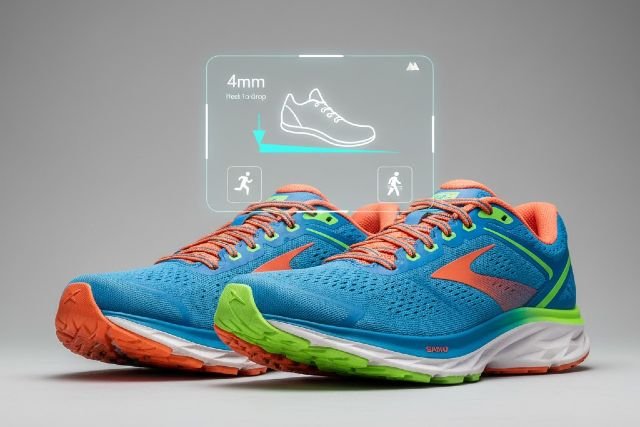
In recent years, 4mm heel toe drop shoes have become a top choice for runners and walkers looking to improve their natural gait and reduce unnecessary impact. A heel-toe drop — often called “offset” — refers to the height difference between the heel and the forefoot. While many traditional running shoes have a 10–12 mm drop, a 4 mm drop offers a more natural, minimalist feel.
As more athletes seek better alignment, improved stability, and reduced strain, 4mm heel toe drop footwear has entered the spotlight. Whether you’re a seasoned runner, a casual walker, or someone transitioning to low-drop shoes, this guide gives you everything you need to know before making the switch.
What Are 4mm Heel Toe Drop Shoes?
4mm heel toe drop shoes are footwear where the heel sits 4 millimeters higher than the forefoot. This small difference encourages a more midfoot or forefoot strike instead of a heavy heel strike.
How Heel Toe Drop Works
The “drop” affects:
- Gait mechanics
- Pressure distribution
- Impact absorption
- Foot and lower leg muscle engagement
Lower-drop shoes generally promote a more natural foot position, similar to barefoot running — but with added cushioning and protection.
Benefits of Wearing 4mm Heel Toe Drop Shoes
Many runners switch to low-drop footwear to improve form, strengthen muscles, and lower injury risk.
1. Encourages a Natural Running Form
A 4mm drop reduces excessive heel striking and supports:
- Better posture
- Efficient stride
- Balanced foot loading
According to Harvard’s Running Biomechanics Lab, forefoot and midfoot strikes can decrease impact loading by up to 30% compared to heel striking.
2. Reduces Impact on Joints
Shifting the strike point forward helps:
- Reduce knee strain
- Lower risk of runner’s knee
- Improve shock absorption
3. Strengthens Foot and Lower Leg Muscles
Low-drop design activates:
- Calves
- Achilles tendon
- Intrinsic foot muscles
Great for runners wanting long-term strength building.
4. Enhances Stability and Ground Feel
A smaller drop allows the foot to stay closer to its natural level, resulting in:
- Improved balance
- Better proprioception
- Enhanced terrain awareness (especially on trails)
5. Smooth Transition From Minimalist to Traditional Shoes
For runners not ready for zero-drop shoes, 4mm drop is the perfect “middle ground.”
Who Should Wear 4mm Heel Toe Drop Shoes?
These shoes are ideal for:
- Runners seeking a more natural form
- Walkers wanting comfort and stability
- Athletes transitioning to minimalist footwear
- People recovering from heel-strike–related injuries
- Trail runners needing better ground control
Who Should Avoid Low-Drop Shoes?
While beneficial, 4mm heel toe drop shoes may not suit everyone.
Avoid or transition slowly if you have:
- Acute Achilles tendon injuries
- Severe plantar fasciitis
- Limited ankle mobility
- Extreme overpronation
Consult a physical therapist if unsure.
4mm vs. 0mm vs. 10–12mm Heel Toe Drop (Comparison Table)
| Feature | 0mm Drop (Barefoot) | 4mm Drop | 10–12mm Drop (Traditional) |
|---|---|---|---|
| Foot Strike | Forefoot | Midfoot/Forefoot | Heel |
| Muscle Activation | High | Moderate | Low |
| Cushioning | Minimal | Moderate | High |
| Injury Risk | High for beginners | Balanced | Good for some knee issues |
| Best For | Minimalist runners | Natural-style runners | Heel strikers, beginners |
4mm offers the best balance between minimalism and cushioning.
Best Types of 4mm Heel Toe Drop Shoes
Low-drop shoes come in multiple categories depending on your activity.
1. Road Running Shoes
Lightweight, cushioned, and responsive.
Great brands include:
- Saucony (Kinvara series)
- Brooks (Pure line)
- Altra (low-drop options aside from zero-drop)
2. Trail Running Shoes
Designed for rocky terrain and stability.
Top options:
- Hoka Speedgoat (varies by model)
- Salomon Sense Ride
- Topo Athletic MT series
3. Walking Shoes
Ideal for casual walking, daily wear, and comfort.
Examples:
- New Balance Fresh Foam
- Topo Athletic ST series
4. Cross-Training Shoes
For gym, HIIT, and functional training.
Look for stable soles and lightweight structure.
How to Transition to 4mm Heel Toe Drop Shoes (Avoid Injuries!)
Transitioning too fast is the #1 cause of Achilles or calf pain.
Week-By-Week Transition Plan
Week 1–2:
Wear your 4mm shoes for 15–20 minutes daily walking.
Week 3–4:
Add short, easy runs (0.5–1 mile).
Week 5–6:
Increase running volume gradually.
Week 7–8:
Incorporate them into full runs if pain-free.
Tips for a Safe Transition
- Stretch calves daily
- Strengthen feet and ankles
- Avoid back-to-back high-intensity sessions
- Listen to your body
Common Myths About Low-Drop Shoes (Debunked)
Myth 1: Low-drop shoes eliminate injuries entirely.
Not true — no shoe can. They redistribute stress but don’t remove it.
Myth 2: Only advanced runners should wear 4mm drop shoes.
Beginners can wear them too — if transitioned slowly.
Myth 3: A 4mm drop is the same as minimalist shoes.
Minimalist shoes often have:
- Less cushioning
- Less structure
- Lower stack height
4mm shoes can still be well cushioned and supportive.
FAQs About 4mm Heel Toe Drop Shoes
1. Are 4mm heel toe drop shoes good for walking?
Yes — many walkers find improved comfort and stability.
2. Do they help with flat feet?
They can help, but supportive insoles may be necessary for some users.
3. Will my calves get sore at first?
Yes. This is normal during the transition period as your muscles adjust.
4. Are 4mm shoes good for long-distance running?
Absolutely. Many marathoners prefer low-drop shoes for better efficiency.
5. Should beginners start with 4mm or higher drop shoes?
Beginners can use 4mm shoes with a gradual transition.
Tips for Choosing the Right 4mm Heel Toe Drop Shoes
When shopping, consider:
1. Cushioning Level
Do you prefer max cushioning or a lighter feel?
2. Foot Shape
Look for wide-toe-box options if needed.
3. Running Terrain
Trail vs. road affects grip and structure.
4. Arch Support
Some shoes offer more stability features.
5. Fit & Comfort
Always try footwear in the evening when feet are slightly swollen.
Real-World Example: Sarah’s Transition Success Story
Sarah, a half-marathon runner, switched to 4mm heel toe drop shoes after struggling with chronic knee pain. By slowly transitioning over eight weeks, she noticed:
- Reduced heel striking
- Lower impact on knees
- Improved cadence
- Stronger calves
Within three months, she completed her best race time — proof that low-drop shoes can be transformative when used correctly.
Conclusion: Are 4mm Heel Toe Drop Shoes Right for You?
4mm heel toe drop shoes offer a perfect balance between natural movement and protective cushioning. They encourage healthy running form, strengthen key muscles, and enhance overall performance for both runners and walkers. Whether you want to improve efficiency, reduce injuries, or simply enjoy a more grounded stride, 4mm drop shoes are a smart and versatile choice. Start slow, choose the right pair, and give your body time to adjust — the results can be game-changing.