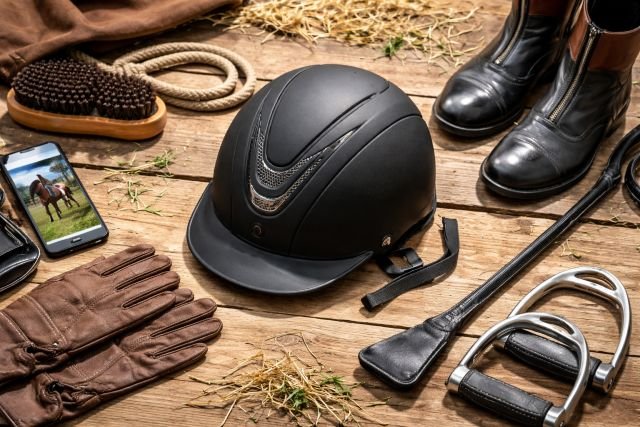
If you’re searching for hat horse riding tips, you’re already making a smart, safety-first decision. A riding hat, more commonly called an equestrian helmet, is not just part of your outfit — it’s the most important protective equipment you wear. Falls can happen to riders of any skill level, and head injuries are among the most serious risks in equestrian sports.
The right helmet is designed to absorb impact energy and reduce the severity of injury during a fall. That’s why choosing a certified helmet that fits properly is the most valuable upgrade you can make for your riding safety. In this guide, you’ll learn how to choose the perfect riding hat based on safety standards, fit, comfort features, and real-world riding needs.
What Is a Riding Hat (Horse Riding Helmet)?
A riding hat is protective headgear made specifically for equestrian use. Unlike casual hats or fashion helmets, equestrian helmets are tested for impacts that reflect real riding accidents, including falls from height and impacts on hard or uneven ground. The design usually includes a durable outer shell, a shock-absorbing liner (often EPS foam), a harness retention system, and internal padding for comfort and stability.
A properly designed riding helmet protects by spreading and absorbing the force of impact. However, it can only do that effectively if it meets recognized safety standards and fits correctly on the rider’s head.
Hat Horse Riding Tips: Start With Safety Standards (Non-Negotiable)
The most important factor in choosing a riding hat is safety certification. A helmet that looks like an equestrian helmet may still be unsafe if it lacks valid testing and certification. Always check inside the helmet for official labeling rather than trusting product descriptions alone.
In the United States, the most common standard is ASTM F1163, and many helmets are also certified by SEI, which indicates third-party testing and ongoing quality checks. In the UK and Europe, riders will often see VG1 01.040 2014-12, PAS015:2011, or EN1384 standards, and EN1384 has been updated with a newer version published in 2023.
A simple rule is to buy a helmet that clearly displays its compliance with the relevant standard for your region, and if possible, choose a helmet with independent certification such as SEI. Safety certification is your foundation, and everything else should be chosen after that.
How to Choose the Perfect Riding Hat: The 5-Step Method
Choosing the right helmet becomes easy when you follow a consistent process. The first step is measuring your head properly. Many riders guess their size, and this leads to helmets that feel uncomfortable or shift during riding. To measure correctly, wrap a soft measuring tape around the widest part of your head, about one inch above your eyebrows, passing above your ears and around the back of your head. Record the measurement in centimeters since most helmet brands use that system.
The second step is understanding head shape. Even if two people share the same head circumference, they may need different helmet shapes. Some helmets are designed for round heads, others for oval or intermediate-oval shapes. If your helmet causes pressure points on the temples or forehead, leaves red marks, or gives you a headache after a short time, the shape is probably wrong.
The third step is checking helmet position. The helmet should sit low and level, not tilted back. The front edge should sit about one inch above your eyebrows. If the helmet sits too high, you lose forehead protection. If it tilts back, it exposes the front of the head and becomes less effective.
The fourth step is adjusting the harness and retention system. The strap must hold the helmet securely on your head during impact. The buckle should sit centered under your chin, the straps should form a clean “V” under each ear, and you should be able to fit only one or two fingers between the strap and your chin. If you can roll the helmet off your head or if it shifts easily, it is not fitted correctly.
The fifth step is selecting a helmet style that matches your riding discipline. All certified helmets protect your head, but comfort and features vary depending on where and how you ride. Schooling helmets are great for daily use, ventilated sport helmets suit riders in warm climates or long training sessions, show helmets focus on traditional style, cross-country helmets may provide more coverage and a fixed peak, and skull caps are common in racing or eventing with silk covers.
Mandatory Features to Look For in a Riding Hat
Once you have safety certification and fit, you can choose features that make your helmet easier to wear consistently. Good ventilation makes a major difference in heat and comfort, especially if you ride in warm weather. Many helmets include vents and airflow channels that reduce sweat buildup.
Adjustable fit systems are useful for riders who want fine-tuning, especially growing children or teens, riders who change hairstyles frequently, or those who ride in different seasons. Washable liners are also valuable because sweat and bacteria can build up quickly in riding helmets. A removable liner makes hygiene easier and keeps the helmet feeling fresh.
Weight and balance matter too. A lighter helmet reduces neck fatigue during long rides, and a well-balanced helmet feels stable without shifting. Some helmets also include rotational impact systems such as MIPS, which are designed to reduce rotational forces in angled impacts. While not required by equestrian safety standards, some riders choose these systems for added confidence.
Riding Hat Fit Test (Quick Checklist Format Without Bullets)
The best fit test is simple. The helmet should sit level and low, and it should feel snug all the way around without painful pressure points. It must not rock when you shake your head. The chin strap should hold the helmet firmly without choking you, and the helmet should remain stable even when you open your mouth wide. If the helmet shifts noticeably during any of these checks, try a different size or brand.
Common Mistakes Riders Make When Buying a Riding Hat
One of the most common mistakes is choosing style over safety. A helmet that looks elegant but lacks certification can put you at serious risk. Another major mistake is buying a helmet that is too large “to grow into.” Helmets work by staying in the correct position during impact; if it’s loose, it can rotate or come off.
Many riders also wear helmets tilted back because it feels more comfortable or looks fashionable, but this reduces forehead coverage. Buying a used helmet is another risk because you cannot see internal foam damage, and you can’t know whether it has already absorbed an impact. Lastly, keeping a helmet after a fall is one of the most dangerous mistakes, because the foam liner may be compromised even when the outer shell looks fine.
Should You Replace Your Riding Hat After a Fall?
Yes, you should replace your helmet after a significant impact. Most equestrian helmets use EPS foam that crushes to absorb energy. Once it compresses, it may not protect you properly again. A helmet can look completely normal on the outside while being damaged internally.
If your head hit the ground, a rail, a jump standard, a tree, or anything solid, replacing the helmet is the safest choice. Even if the helmet shows no cracks, internal damage can still exist. Safety-focused equestrian research organizations and helmet manufacturers commonly advise replacement after impact for this reason.
How Often Should You Replace a Riding Helmet (Even Without a Fall)?
Even without crashes, helmets degrade over time. UV exposure, heat, sweat, and material fatigue gradually break down protective components. Many manufacturers recommend replacing helmets every three to five years depending on frequency of use and environmental conditions.
If you ride daily, compete often, or sweat heavily in hot climates, replacing sooner may be a safer option. Always check your manufacturer’s guidance, and store your helmet away from heat sources and direct sunlight to reduce aging.
How Much Should You Spend on a Riding Hat?
A certified helmet does not need to be expensive, but higher price points often include premium comfort features such as better ventilation, more refined fit systems, lighter materials, improved liner technology, and sometimes advanced safety engineering.
Entry-level certified helmets can be very safe if they fit correctly. Mid-range helmets typically offer improved comfort and style, while premium helmets often focus on lightweight design, airflow, and luxury materials. The best strategy is to prioritize certification and fit first, then choose the best comfort features you can afford.
Caring for Your Riding Hat So It Lasts Longer
Helmet care protects both performance and comfort. Store your helmet in a cool, dry place and use a helmet bag to prevent scratches and accidental damage. Let it air dry after sweaty rides and clean liners regularly if they are removable.
Avoid leaving helmets in hot cars, near heaters, or in direct sunlight. Do not use harsh chemicals or strong solvents because they can weaken the materials. Also avoid repeated dropping or stacking heavy objects on top of your helmet, as that can damage the internal structure.
A Real-World Scenario: The “Looks Fine” Helmet Problem
This situation happens often. A rider falls at canter and their helmet hits the ground. When they pick it up, the shell looks perfect, so they continue using it for months. The hidden problem is that the foam liner may already be compromised. If a second fall occurs, the helmet may not absorb impact properly.
That’s why many experts recommend replacement after impact even when there is no visible damage. Helmet protection is designed to work by absorbing energy in the liner, and once that energy absorption has been used, it cannot always be “reset.”
FAQ: Hat Horse Riding Questions
What is the best hat for horse riding?
The best hat for horse riding is a certified equestrian helmet that fits snugly and comfortably, sits level and low on your head, and meets recognized standards such as ASTM F1163 (often SEI-certified) or VG1/EN1384 depending on your region.
How should a riding hat fit?
A riding hat should sit about one inch above the eyebrows, feel snug all around without painful pressure points, and remain stable when you shake your head. The strap should secure the helmet firmly without allowing it to shift.
How do I know if my riding hat is certified?
You can confirm certification by checking the label inside the helmet. Look for recognized standards such as ASTM F1163, SEI certification markings, VG1, PAS015, or EN1384 depending on the region where you ride.
Should I replace my riding helmet after a fall?
Yes. Even if the helmet looks fine, internal foam damage may reduce protection. Replacing a helmet after impact is one of the most important safety habits for riders.
How often should I replace my riding helmet?
Many manufacturers recommend replacing helmets every three to five years depending on use, and immediately after any significant impact.
Conclusion: The Most Important Hat Horse Riding Tips to Remember
The most valuable hat horse riding tips come down to two essentials: choose a helmet that meets recognized safety standards, and make sure it fits correctly. A certified helmet that sits low and level, remains stable, and feels comfortable enough to wear every ride will do far more to protect you than a fashionable but poorly fitted alternative.
When you invest in the right riding hat, you’re investing in your safety, confidence, and long-term riding future. And if you fall and your helmet hits anything solid, replace it — because protection is built into the liner, and once it absorbs impact, it may not work the same again.