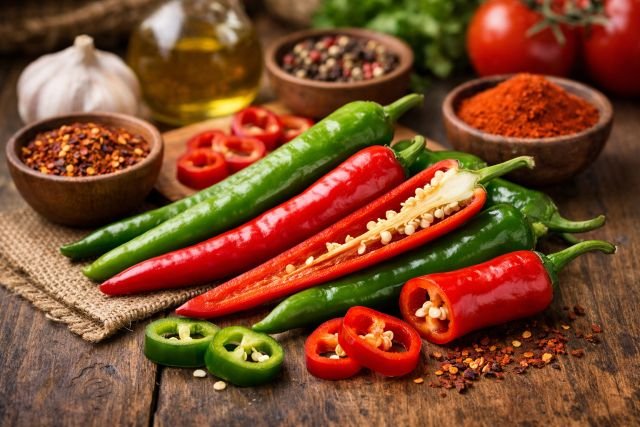
Long hots are one of those peppers that quietly transform a meal, yet many people still aren’t sure what they are, how spicy they get, or how to cook them well. If you’ve ever seen long hots at a farmers’ market, in a deli sandwich shop, or mentioned in Italian-American cooking, you’ve likely had the same question: are they mild, hot, or somewhere in between?
This guide explains long hots in detail, including their flavor profile, nutrition, health benefits, real heat range, and the myths that cause the most confusion. You’ll also get practical cooking guidance and simple scenarios for using them at home without ruining the dish with unexpected heat.
What Are Long Hots?
Long hots are long, slender chili peppers most commonly associated with Italian and Italian-American cooking. They are usually harvested green, though they can ripen to red and become sweeter and sometimes hotter as they mature. Their skin is thin, their flesh is tender when cooked, and their flavor has a distinctive edge that’s often described as earthy with a mild bitterness.
What sets long hots apart from many supermarket peppers is variability. Some long hots are gentle and sweet after sautéing, while others deliver a noticeable bite. That “surprise factor” is why longtime cooks taste a small piece before cooking a whole batch into a dish.
Where Do Long Hots Come From?
Long hots are closely related to Italian frying pepper varieties that were brought to the United States through Italian immigration. In the U.S., the name “long hots” became a familiar market label in regions where Italian-American cooking was especially influential. Over time, growers and markets used the name for a range of similar-looking peppers intended for frying or sautéing.
Peppers in general grow best in warm conditions and full sun. The USDA notes that peppers thrive in warm temperatures, which is why long hots tend to show up heavily in late summer and early fall.
How Spicy Are Long Hots?
Long hots are usually mild to medium in heat, but the range can feel wider than expected because individual peppers vary. In many cases, they sit in the same general neighborhood as other mild chili peppers, but occasionally you’ll run into a pepper that’s significantly hotter than the one next to it.
Growing conditions strongly influence heat. When pepper plants face heat stress, inconsistent watering, or intense sunlight, capsaicin levels can rise. That means long hots grown in harsher conditions may deliver more kick than long hots grown with steady watering and moderate temperatures. This is one reason people say, “Some are mild, some are wild,” and they’re not exaggerating.
Long Hots vs Banana Peppers vs Cubanelles
Long hots are often confused with banana peppers, pepperoncini, and cubanelles because their shape can look similar. The difference becomes obvious once you cook them. Banana peppers tend to be tangy and consistently mild. Cubanelles are typically sweet and very low heat. Long hots often carry a slightly bitter, deeper flavor and can range from mild warmth to a more assertive bite.
If you want a pepper that adds flavor and personality, not just sweetness or vinegar tang, long hots are a strong choice. They’re particularly useful in dishes that need contrast to rich ingredients like sausage, cheese, or oily sauces.
Nutrition Facts: What’s Inside Long Hots?
Long hots are low in calories and rich in micronutrients. Like many peppers, they provide vitamin C and vitamin A, both of which support immune function and healthy skin. They also contain plant compounds that act as antioxidants.
The compound responsible for heat in chili peppers is capsaicin. Capsaicin has been researched for potential effects on metabolism, appetite regulation, and inflammatory response.
Potential Health Benefits of Long Hots
One of the simplest benefits of long hots is that they make healthy food easier to enjoy. If vegetables feel bland, adding long hots can make a simple meal feel satisfying without heavy sauces. That matters, because consistency is often more important than perfection in nutrition.
Long hots may also support dietary variety. Their antioxidants and vitamins add value, and the mild heat can encourage slower eating, which may help with portion awareness for some people. It’s not magic, but it’s a practical advantage.
A real-world example is a home cook who usually relies on creamy dressings to make vegetables appealing. Replacing that approach with sautéed greens plus long hots and garlic can reduce added calories while increasing flavor intensity. Over time, this kind of swap can make healthy eating feel less like “discipline” and more like preference.
Common Myths About Long Hots
A common myth is that all long hots are extremely spicy. Many long hots are mild, especially when harvested green and cooked properly. Another myth is that you can remove all heat by removing seeds. The seeds themselves aren’t the main source of heat. The inner membrane is where most capsaicin concentrates, so removing the membrane reduces heat more than removing seeds alone.
Some people also assume long hots are only “for Italian food.” In reality, long hots work beautifully in modern meal prep, stir-fries, grilled vegetable bowls, and even chopped into egg dishes, as long as you manage the heat level.
How to Cook Long Hots Without Ruining the Dish
Cooking long hots is where they shine. Heat softens bitterness, brings out sweetness, and turns their flavor into something richer and more rounded. Many cooks prefer them sautéed or roasted.
If you want to control heat, start by slicing one pepper, removing the inner membrane, and cooking it first as a test. Taste it, then decide whether to add more peppers or keep the remaining batch intact. This simple “test pepper” approach prevents the most common long hots problem: accidentally making the entire meal hotter than intended.
A practical scenario is cooking sausage sandwiches for guests. You can sauté long hots separately from the sausage and serve them on the side. People who love heat can add more, and those who prefer mild food can skip them. You still get the aroma and the option without forcing one spice level on everyone.
Why Long Hots Are So Popular in Italian-American Cooking
Long hots are especially common in Italian-American kitchens because they pair well with rich, savory foods. Their mild bitterness and occasional heat cut through fatty meats and cheeses, creating balance. That’s why you’ll see them frequently with sausage, roast pork, and deli-style sandwiches.
Are Long Hots Good for Everyone?
Most people can enjoy long hots comfortably, but they’re not ideal for every stomach. Spicy foods can trigger symptoms for people with acid reflux, sensitive digestion, or certain gastrointestinal issues. If you know spicy food bothers you, consider using smaller amounts, cooking them thoroughly, and removing the inner membranes.
If you’re new to long hots, it’s smart to start with a small portion and see how you feel. Many people tolerate cooked peppers better than raw peppers, so sautéing can be a gentler introduction.
FAQ: Long Hots Explained
Long hots are long, slender chili peppers used heavily in Italian-American cooking, known for their deep flavor and mild-to-medium heat that can vary from pepper to pepper.
Long hots can be mild, but they can also be surprisingly spicy depending on the variety and growing conditions, which is why tasting a small piece before cooking a full batch is a smart habit.
Long hots taste earthy and slightly bitter when raw, but become sweeter, softer, and more complex when sautéed, roasted, or grilled.
Long hots can be eaten raw, but most people prefer them cooked because cooking mellows bitterness and makes their flavor more balanced.
To reduce heat, remove the inner membrane and cook the peppers thoroughly, because the membrane holds more heat compounds than the seeds themselves.
Conclusion: What Long Hots Really Offer
Long hots deserve more attention because they bring more than spice. They offer depth, aroma, and a unique peppery character that can elevate simple meals. Their nutritional value, including vitamin C and vitamin A, makes them a smart ingredient, and their versatility makes them easy to work into everyday cooking once you learn how to manage their heat.
If you want a pepper that adds bold flavor without automatically overwhelming your dish, long hots are worth trying. Start with a small test pepper, cook them until tender and blistered, and you’ll quickly see why long hots have earned their place in classic kitchens and modern meals alike.