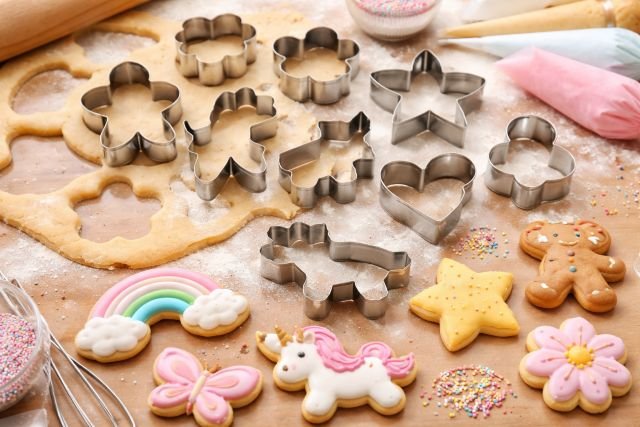
Baking showstopping cookies at home is a lot easier when your tools do the heavy lifting — and nothing levels up results faster than premium cutter cookie cutters. The right cutter doesn’t just make a cute shape; it helps dough release cleanly, keeps edges crisp, and gives you consistent sizes that bake evenly.
If you’ve ever rolled out dough, pressed a cutter, and ended up with warped edges, stuck shapes, or cookies that spread into blobs, you’re not “bad at baking.” You’re fighting tool physics. In this guide, you’ll learn how premium cutters change the game, which materials actually matter, how to get sharper details (without tearing dough), and how to maintain cutters so they stay precise for years.
What makes premium cutter cookie cutters “premium” (and why it matters)
A cookie cutter is a simple tool, but small design differences create big results. Premium cutters tend to nail three things:
1) Cleaner edges
A crisp cut means less jagged dough, less distortion when you transfer shapes, and smoother icing lines. This matters most for roll-out sugar cookies and gingerbread where the design is the point.
2) Better dough release
When dough sticks inside the cutter, you end up stretching corners, pulling details off, or dusting the cutter so heavily that your dough dries out. Premium cutters often have smoother seams, better geometry, and finishes that reduce sticking.
3) Consistency across batches
Uniform sizes bake more evenly. If half your tray is 2.5-inch stars and half is 4-inch stars, you’ll get uneven browning. Premium sets typically maintain consistent “height,” thickness, and shape fidelity.
You also get a safety and quality benefit when you buy cutters made from materials meant for food contact. The FDA explains how substances that contact food are regulated and must be authorized for intended use.
Quick definition for featured snippets
Cutter cookie cutters are shaped tools — usually metal or food-safe plastic — used to cut cookie dough into consistent forms before baking. Premium versions create sharper edges, release dough more cleanly, and hold their shape longer.
Choosing cutter cookie cutters by material (steel, plastic, silicone)
Stainless steel cutter cookie cutters
Stainless steel is a favorite for a reason: it holds a sharp edge, resists warping, and can cut very cold dough cleanly. It’s also easy to sanitize, which matters when you’re batch baking for holidays or events.
A practical bonus: steel cutters can also double as “guides” for piping — your outline stays consistent even if your hand isn’t perfect.
Best for: crisp edges, detailed shapes, chilled dough, long-term durability.
Plastic cutter cookie cutters
Plastic cutters are common, lightweight, and often kid-friendly. Some are excellent, especially when they’re thick and rigid. The problem is cheap plastic can flex, which rounds corners and pulls dough out of shape.
If you’re buying plastic, prioritize brands that explicitly label food-contact safety and avoid flimsy cutters that bend easily. The FDA provides consumer-facing guidance on how food-contact substances are regulated and authorized.
Best for: casual baking, kids, simple shapes, large cutters where sharpness matters less.
Silicone cutters
Silicone is more common in molds and baking mats than in sharp-edged cutters. When cutters are silicone-heavy, the edge is rarely as crisp as steel. That said, silicone tools can be a smart companion for cookie work — especially silicone baking mats, which help prevent sticking and encourage even baking.
Food media testing has found silicone baking mats can improve consistency and are valued for reusability and performance in cookie baking.
Best for: accessories (mats), not usually ideal for precision cutting.
A simple comparison table
| Material | Cut Sharpness | Detail Precision | Durability | Best Use Case |
|---|---|---|---|---|
| Stainless steel | High | High | High | Pro-level shapes, detailed designs |
| Rigid food-safe plastic | Medium | Medium | Medium | Easy shapes, kid-friendly baking |
| Silicone-based cutters | Low–Medium | Low–Medium | Medium | Soft doughs, casual use (less precision) |
The “secret” to clean cuts is dough temperature (not force)
If you want premium results, your cutter matters — but dough temperature matters more.
The pro workflow that keeps shapes sharp
- Mix dough and chill it.
- Roll between parchment sheets (less flour = cleaner edges).
- Chill the rolled sheet again for 10–15 minutes.
- Cut shapes quickly, then transfer.
This prevents sticking and reduces spread. It also keeps fine details from collapsing.
Real-world scenario:
If you’re making holiday sugar cookies with intricate snowflakes, roll the dough, chill it flat, then cut. You’ll be shocked how much definition you keep even after baking.
How to pick the right cutter size for even baking
Size affects bake time and browning. Here’s a useful rule:
- 2–3 inches: best for variety trays and faster baking
- 3–4 inches: best for decorated cookies (more surface for icing art)
- 4+ inches: best for statement cookies, favors, and photo-worthy designs
If you’re making a mixed tray, keep sizes within the same range so you’re not pulling some cookies early while others remain pale.
Details that separate premium cutters from “meh” ones
Look for seam quality and smooth welds
Rough seams snag dough and create jagged edges. With premium metal cutters, seams are typically clean and flush.
Prefer taller walls for clean release
Taller cutters give you more grip and a straighter cut, especially with thicker dough. This is huge for gingerbread.
Check rigidity
Flex = distortion. If you can bend a cutter easily, it will bend while cutting.
Consider comfort
Premium cutters often feel better to press — wider top edges or reinforced rims reduce hand strain when you’re cutting dozens of cookies.
Cutter cookie cutters for decorated cookies
Decorating is where premium cutters pay you back immediately, because icing exaggerates every flaw. A slightly wobbly edge becomes a very visible wavy line once piped.
If your goal is Instagram-clean icing lines:
- Choose cutters with crisp geometry (steel usually wins)
- Chill dough before cutting
- Use minimal flour; excess flour creates dry edges that crack under icing
Best shapes for beginners vs. advanced decorators
Beginner-friendly shapes: circles, hearts, stars, simple ornaments
They’re forgiving and easy to outline.
Advanced shapes: snowflakes, detailed pumpkins, character silhouettes
They demand sharp cutters and tight dough control.
King Arthur Baking surveyed over 6,000 bakers and found classic roll-out sugar cookies and gingerbread rank as essential holiday cookie styles — exactly the recipes that benefit most from precise cutters.
Maintenance tips so your cutters stay “premium”
Cleaning (without dulling edges)
- Wash soon after use so dough doesn’t harden in seams.
- Dry completely to prevent corrosion (especially around joints).
Storage
Store cutters flat in a box or hanging organizer. Crushing them in a drawer is the fastest path to warped shapes.
When to replace
If a cutter produces uneven edges even with chilled dough, or if corners look rounded no matter what, it may be bent. Premium cutters can often be gently reshaped, but if the edge is damaged, replacement is worth it.
Are premium cutter cookie cutters safer for food contact?
They can be — depending on what “premium” means. Higher-quality brands are more likely to specify food-contact compliance and materials, and they’re less likely to use questionable additives or coatings.
The FDA explains that substances that come into contact with food must be authorized through established pathways (like food contact notifications or regulations).
The FDA has also published updates and evaluations about certain chemicals in food-contact applications, emphasizing ongoing monitoring and evolving use patterns.
Practical takeaway: choose cutters from brands that clearly state food-contact safety and avoid ultra-cheap, unknown materials — especially for plastic.
FAQs
What are the best cutter cookie cutters for clean edges?
Stainless steel cutters usually produce the cleanest edges because they hold a sharper cutting rim and resist flexing. For best results, chill your rolled dough before cutting.
Why do my cookies lose their shape after cutting?
Usually because the dough is too warm, there’s too much flour on the surface, or the butter/sugar ratio encourages spread. Chill the dough after rolling and before cutting to preserve crisp outlines.
Do premium cookie cutters make cookies taste better?
Not directly — but they help cookies bake more evenly. Uniform thickness and consistent sizes reduce overbrowning on small pieces and underbaking on large ones, which can improve texture.
How do I stop dough from sticking inside the cutter?
Chill the dough and lightly dust the cutter (not the dough) with flour, or dip the cutter edge in flour sparingly. Clean seams also help — premium cutters tend to release dough more easily.
Are plastic cutters safe?
Many are, but quality varies. Look for manufacturers that state food-contact compliance and avoid flimsy cutters that bend or crack, which can create hard-to-clean crevices.
Conclusion: Bake sharper, cleaner, more consistent cookies with cutter cookie cutters
If you want bakery-level results at home, premium cutter cookie cutters are one of the most reliable upgrades you can make. The biggest wins come from crisp edges, better dough release, and consistent sizing — especially for roll-out sugar cookies and gingerbread, where shape is half the magic.
Pair a quality cutter with the pro move that matters most — cold dough — and you’ll get cleaner outlines, more predictable baking, and decorating that looks intentional instead of improvised. When you’re ready to expand your collection, build around a few core shapes you’ll use constantly, then add seasonal and detailed designs as your confidence grows.