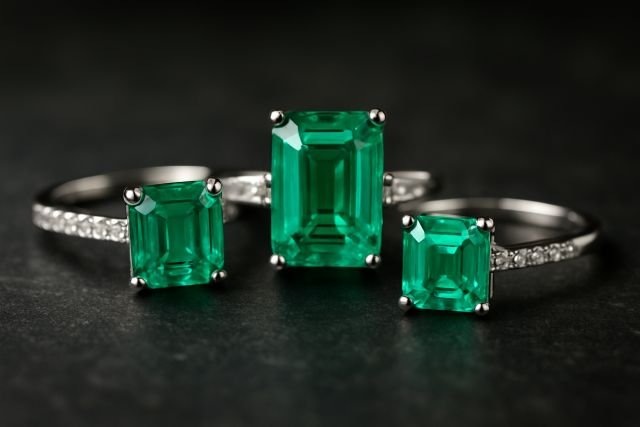
Choosing the perfect Emerald Rings Jewelry can feel overwhelming, especially with so many variations in quality, style, and craftsmanship. Emeralds have captivated wearers for thousands of years with their vivid green hues and deep symbolic meaning. Today, these gemstones remain one of the most cherished choices for engagement rings, anniversary gifts, heirloom pieces, and meaningful personal jewelry.
In this complete guide, you’ll learn what defines a high-quality emerald, how to choose the right ring style, what affects pricing, and how to ensure your Emerald Rings Jewelry remains stunning for generations. Whether you’re buying your first emerald ring or upgrading an existing piece, this guide will help you make an informed and confident decision.
The Timeless Allure of Emerald Rings Jewelry
Emeralds have been admired since ancient civilizations. Cleopatra famously adored them, and they were believed to offer protection and wisdom. Today, emeralds symbolize rebirth, loyalty, and harmony. With their striking green glow, they offer a unique alternative to traditional gemstones like diamonds and sapphires.
One reason Emerald Rings Jewelry remains so popular is its ability to blend elegance with individuality. No two emeralds look exactly alike, making every piece truly one-of-a-kind. Their deep color, natural inclusions, and glowing appearance create personality and charm that appeal to both modern wearers and vintage jewelry lovers.
What Makes Emerald Rings Jewelry Unique?
Emeralds stand out among gemstones due to their natural inclusions, known as “jardin,” which means garden in French. These internal features give emeralds texture and identity. While diamonds are valued for clarity, emeralds are cherished for their character and depth.
Another unique factor is their optical performance. Emeralds exhibit a phenomenon called “chromium glow,” meaning they emit a radiant, almost illuminated green from within. This makes Emerald Rings Jewelry highly eye-catching even in low lighting.
Because emeralds rank lower on the Mohs hardness scale than diamonds or sapphires, they require careful handling and thoughtful setting design. Jewelers often protect the gemstone with bezel settings, halo designs, or reinforced prongs to enhance durability without compromising beauty.
Understanding Emerald Quality: The Four Essential Factors
When evaluating Emerald Rings Jewelry, understanding the four Cs — color, clarity, cut, and carat — is essential. These elements determine the gemstone’s value and appearance.
Color: The Most Important Factor
Emerald value begins with color. The ideal hue is a medium-to-strong green with slight bluish undertones. The richer the color saturation, the more desirable the gemstone becomes. Most high-quality emeralds come from Colombia, Zambia, and Brazil, each region producing stones with slightly different color signatures.
Deep, velvety emeralds command premium prices, while lighter or unevenly colored stones are more affordable options for budget-conscious buyers.
Clarity: Embracing Natural Inclusions
Unlike diamonds, emeralds almost always contain inclusions. These are not flaws but unique features created during the stone’s formation. As long as inclusions do not affect durability, they are perfectly acceptable.
Very clear emeralds are rare and expensive. When choosing Emerald Rings Jewelry, focus on stones with inclusions that are not easily noticeable to the naked eye.
Cut: Maximizing the Emerald’s Beauty
The emerald-cut shape is the most popular for this gemstone because it enhances color and reduces pressure on the stone’s corners. However, oval, round, cushion, and pear shapes also offer stunning results.
A well-executed cut balances brilliance and durability. Skilled cutters optimize depth and symmetry to highlight the gemstone’s natural glow.
Carat: Size vs. Quality
Emeralds are less dense than diamonds, meaning their carat weight looks visually larger. However, size should always be weighed against color and clarity. A smaller, richly colored emerald will appear more vibrant than a larger stone with pale coloration.
Choosing the Right Metal for Emerald Rings Jewelry
The metal you choose affects both aesthetics and durability. Emeralds pair beautifully with different metals, each offering its own charm.
Yellow Gold: Warm and Classic
Yellow gold enhances the gemstone’s warm undertones, creating a vintage look. It’s an excellent choice for those who prefer traditional or antique-inspired designs.
White Gold: Modern and Radiant
White gold creates a clean, contemporary contrast that intensifies the emerald’s brightness. Many engagement rings use white gold for a timeless elegant style.
Rose Gold: Romantic and Trendy
Rose gold adds softness and warmth, making it a popular modern choice. Its pinkish hue complements emeralds for a feminine and sophisticated appeal.
Platinum: Premium and Durable
Platinum is hypoallergenic and extremely strong, making it ideal for Emerald Rings Jewelry worn daily. Its bright, cool tone pairs beautifully with vivid green stones.
Popular Styles in Emerald Rings Jewelry
Choosing a design that fits your personality is just as important as selecting a high-quality gemstone.
Solitaire Emerald Rings
Solitaire emerald rings showcase the gemstone as the center of attention. This timeless style suits classic, minimalist buyers who want the emerald’s natural beauty to shine.
Halo Emerald Rings
A halo of diamonds or complementary gemstones surrounds the emerald, enhancing brilliance while protecting the stone. This design adds glamour and visual impact.
Vintage and Art Deco Emerald Rings
Vintage-inspired designs feature intricate detailing, milgrain edges, geometric shapes, and textured bands. They honor historical artistry and appeal to collectors.
Three-Stone Emerald Rings
Symbolizing past, present, and future, three-stone emerald rings offer emotional significance. Side stones can be diamonds, sapphires, or smaller emeralds.
Emerald Eternity and Band Rings
For those who prefer subtle elegance, emerald bands offer a refined way to enjoy the gemstone every day.
How to Spot Authentic Emerald Rings Jewelry
With synthetic and imitation stones on the market, authenticity matters. Natural emeralds come from the earth and contain unique inclusions. Lab-created emeralds share the same chemical properties but are made in controlled environments. They are more affordable and eco-friendly.
To identify genuine emeralds, purchase from reputable jewelers and request certifications from trusted gemological laboratories such as GIA (Gemological Institute of America) or IGI (International Gemological Institute).
Avoid stones labeled “emerald simulants” — these are typically green glass, cubic zirconia, or quartz, and lack the characteristics of real emeralds.
Synthetic vs. Natural Emerald Rings Jewelry: What’s Best for You?
Both natural and synthetic emeralds have benefits. Natural emeralds are rare, timeless, and hold long-term value. They make meaningful heirloom pieces and are prized for their uniqueness.
Synthetic emeralds, however, offer affordability and greater clarity. Modern lab-created emeralds still display vibrant green hues, making them excellent choices for budget-minded shoppers or those seeking flawless aesthetics.
Your choice depends on whether you prioritize authenticity, cost, clarity, or ethical sourcing.
How Much Does Emerald Rings Jewelry Cost?
Emerald prices vary widely based on quality. Natural emeralds can range from a few hundred dollars to tens of thousands. Stones with vivid color and good clarity fall at the higher end of the spectrum.
Synthetic emerald rings are typically far less expensive. The metal type, setting design, craftsmanship, and presence of additional gemstones also influence the overall cost of Emerald Rings Jewelry.
For accurate price comparison, experts recommend reviewing certification documents and comparing stones of similar grades. Reputable jewelers will provide transparent information about treatments, origin, and quality.
Caring for Your Emerald Rings Jewelry
Emeralds require thoughtful maintenance. They are more delicate than diamonds and should be protected from harsh chemicals, ultrasonic cleaners, and sudden temperature changes.
Clean your emerald ring gently using lukewarm water, mild soap, and a soft cloth. Store it separately to avoid scratches and consider professional inspections annually to check settings and stone stability.
With proper care, Emerald Rings Jewelry can remain beautiful for decades or even become treasured family heirlooms.
FAQs About Emerald Rings Jewelry
Is Emerald Rings Jewelry suitable for engagement rings?
Yes. Many couples choose emerald engagement rings because they offer vibrant color, deep symbolism, and unique elegance.
Are emeralds more fragile than diamonds?
Emeralds are softer than diamonds and require careful handling. Protective settings like bezels or halos help improve durability.
What is the best color for emerald rings?
The most valuable emeralds feature rich, medium-to-deep green tones with slight bluish hues.
How do I know if an emerald is real?
Check for natural inclusions, request certification, and buy from reputable jewelers to ensure authenticity.
Conclusion
Choosing the perfect Emerald Rings Jewelry begins with understanding quality, craftsmanship, and personal style. Whether you prefer vintage designs, modern solitaire settings, or luxurious halo rings, emeralds offer beauty and symbolism that few gemstones can match. By evaluating color, clarity, cut, and carat weight — and by purchasing from trusted jewelers — you can enjoy Emerald Rings Jewelry that reflects your personality and lasts a lifetime. With the right knowledge and care, your emerald ring becomes more than just jewelry; it becomes an enduring treasure.