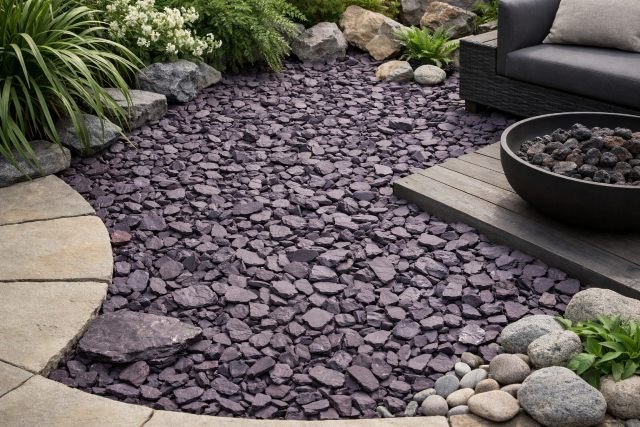
Plum slate is a distinctive natural stone celebrated for its deep purple tones blended with subtle greys and earthy variations. Its refined appearance and long-lasting performance make plum slate a favorite choice among homeowners, architects, and interior designers. Whether used indoors or outdoors, plum slate delivers both aesthetic depth and functional durability, making it an excellent investment for modern and traditional spaces alike.
In this comprehensive guide, you’ll explore what plum slate is, why it stands out among natural stones, how it’s used in home design, and how to maintain it for decades of beauty.
What Is Plum Slate?
Plum slate is a metamorphic stone formed from shale that has undergone intense heat and pressure over millions of years. This natural process creates a dense, fine-grained material known for its strength and layered texture. What sets plum slate apart is its rich color palette, ranging from soft mauve to deep plum with hints of charcoal and silver.
Because no two pieces are exactly alike, plum slate adds organic character to any space. According to the Geological Society, slate’s natural density and structure make it one of the most durable stones used in architecture and construction.
Why Plum Slate Is a Popular Choice for Homes
One of the main reasons homeowners choose plum slate is its visual sophistication. The stone’s natural color variation brings warmth and depth without overwhelming a space. Plum slate works exceptionally well with neutral color schemes, natural wood finishes, and contemporary metal accents.
Beyond aesthetics, plum slate is prized for its durability. It resists moisture, scratches, and temperature changes, making it suitable for kitchens, hallways, bathrooms, and exterior areas. As a natural material, plum slate is also an environmentally responsible option. The Natural Stone Institute recognizes slate as a sustainable building material due to its longevity and minimal processing requirements.
Uses of Plum Slate in Interior and Exterior Design
Plum slate flooring is one of the most common applications in residential design. Its naturally textured surface provides slip resistance, making it practical for high-traffic areas while maintaining a refined look. When paired with underfloor heating, plum slate enhances comfort by retaining and distributing warmth efficiently.
Plum slate wall cladding is another popular choice, especially for feature walls in living rooms, bathrooms, and around fireplaces. The stone adds texture and depth that paint or wallpaper cannot replicate, creating a sense of luxury and permanence.
In roofing applications, plum slate has a long-standing reputation for durability. Traditional slate roofs in Europe often last over a century, and plum slate continues this legacy with excellent resistance to fire, wind, and weathering. The UK Slate Association highlights slate roofing as one of the most reliable and long-lasting roofing materials available.
Outdoor spaces also benefit from plum slate. It is commonly used for patios, garden paths, and pool surrounds due to its ability to withstand frost, rain, and temperature fluctuations without losing its structural integrity or color.
Understanding Plum Slate Finishes
The finish of plum slate significantly influences both its appearance and performance. Natural cleft finishes retain the stone’s original texture, offering a rustic and organic look ideal for flooring and outdoor paving. Honed finishes provide a smooth, matte surface that works well for interior walls and modern designs. Polished finishes deliver a glossy appearance but are typically reserved for decorative or low-traffic areas. Brushed finishes soften the stone’s surface while preserving its natural character, making them suitable for contemporary interiors.
Choosing the right finish ensures that plum slate complements both the design vision and the functional requirements of the space.
Plum Slate Compared to Other Natural Stones
When compared to marble, plum slate is less porous, more slip-resistant, and easier to maintain. Unlike marble, it does not require frequent polishing and is less prone to etching. Compared to granite, plum slate offers a softer visual texture and more natural color variation, making it ideal for design-focused applications where character matters as much as strength.
This balance of beauty and practicality positions plum slate as a versatile alternative to more commonly used stones.
Cost Considerations for Plum Slate
The cost of plum slate varies depending on its source, thickness, and finish. On average, plum slate tiles range from moderate to premium pricing, while roofing slate tends to be more expensive due to installation complexity. Although the upfront cost may be higher than ceramic or porcelain tiles, plum slate’s long lifespan often results in lower long-term expenses.
When considering total value, plum slate stands out as a cost-effective choice due to its durability, minimal replacement needs, and timeless appeal.
Professional Installation Insights
Proper installation is critical to the performance of plum slate. The stone should be sealed before and after installation to protect against moisture and staining. Flexible adhesives are recommended to accommodate natural movement, and subfloors must be carefully prepared to prevent cracking. Hiring professionals experienced in natural stone installation significantly reduces the risk of long-term issues.
Cleaning and Maintaining Plum Slate
Maintaining plum slate is straightforward when done correctly. Regular sweeping or vacuuming prevents grit from scratching the surface, while pH-neutral stone cleaners help preserve the sealant and natural color. Acidic or abrasive cleaners should always be avoided.
Long-term care involves resealing the stone every one to three years, depending on usage and location. Promptly cleaning spills and using protective mats in high-traffic areas further extends the life of plum slate. The Natural Stone Institute emphasizes sealing as a key step in maintaining slate’s appearance and durability.
Design Inspiration Using Plum Slate
In modern minimalist homes, plum slate pairs beautifully with crisp white walls, black metal accents, and natural wood furniture. In rustic or farmhouse-style spaces, it complements exposed beams, stone fireplaces, and warm lighting. Commercial environments such as hotels, spas, and boutique spaces often use plum slate to convey natural luxury, calmness, and authenticity.
Its versatility allows plum slate to adapt seamlessly across styles while maintaining its distinctive character.
Frequently Asked Questions About Plum Slate
Plum slate is well suited for kitchens because it is durable, moisture-resistant, and slip-resistant when properly sealed. It does not fade over time, as natural slate retains its color for decades, especially in indoor environments. Maintenance is simple and requires only routine cleaning and occasional resealing. Plum slate also works exceptionally well with underfloor heating due to its excellent thermal conductivity.
Final Thoughts on Plum Slate
Plum slate is more than just a building material; it is a design statement rooted in natural beauty and long-term performance. Its rich coloration, durability, and versatility make it ideal for homeowners and design lovers seeking a timeless yet distinctive finish.
With proper installation and care, plum slate can last for generations, adding both visual appeal and lasting value to any space. For those seeking a balance of elegance, sustainability, and strength, plum slate remains an outstanding choice.