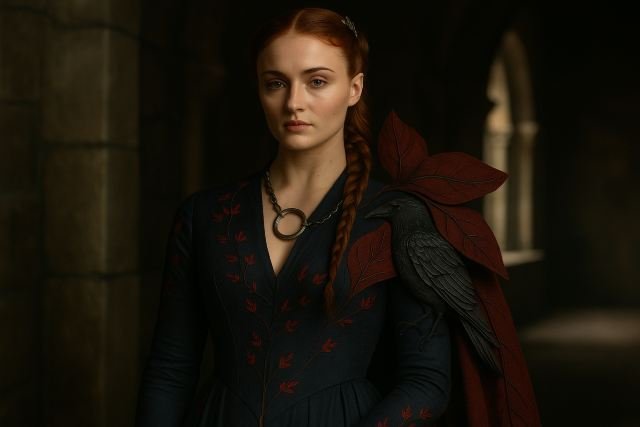
The world of Game of Thrones gave us unforgettable storytelling — not only through dialogue and drama but also through costume design. Among its many visual triumphs, the Sansa Dress stands out as one of the most intricately crafted and symbolically rich wardrobes in television history.
Every Sansa Dress was more than fabric and thread — it was a language of storytelling. Through evolving textures, colors, and silhouettes, Sansa Stark’s wardrobe captured her journey from innocence to independence, from pawn to power.
Designed by the visionary Michele Clapton, these dresses remain a testament to how costume design can communicate emotion, character growth, and cultural identity.
The Artistic Vision Behind the Sansa Dress
When costume designer Michele Clapton began designing for Game of Thrones, her goal was simple yet ambitious — to make every costume a narrative tool. The Sansa Dress became one of the most profound visual metaphors of the series, with every stitch symbolizing a step in Sansa’s evolution.
“Every part of her costume was a reflection of her internal journey,” Clapton told Vogue. “Her dresses told the story that words never could.”
Why the Sansa Dress Stands Out
- Each outfit mirrors a psychological state or pivotal moment in her story.
- The evolution from delicate silks to armor-like gowns represents growth and resilience.
- Colors and embroidery subtly mark shifts in power, loyalty, and identity.
Early Seasons: The Innocence of Youth
In the first seasons, the Sansa Dress was designed to reflect her naive dreams and sheltered Northern upbringing. Sansa idolized courtly life and longed to be a “proper lady.” Her wardrobe mirrored this longing — light, elegant, and filled with idealistic charm.
Key Features of Early Sansa Dresses
| Design Element | Symbolism |
|---|---|
| Soft Colors (pale blue, lilac, ivory) | Innocence, purity, and youth |
| Light Fabrics (silk, chiffon) | Fragility and romanticism |
| Floral Embroidery | Dreams of love and femininity |
| Flowing Silhouette | Grace and vulnerability |
Her soft pastel palette and delicate fabrics were a visual representation of a young girl dreaming of fairy tales — unaware of the brutal world ahead.
In these early designs, the Sansa Dress symbolized innocence trying to fit into the dangerous elegance of King’s Landing.
King’s Landing Era: Conformity and Control
As Sansa becomes trapped in the dangerous politics of King’s Landing, her dresses evolve into symbols of entrapment and imitation. She begins to emulate the Lannister aesthetic — not out of admiration, but survival.
Visual Transformation
- Dresses adopt Lannister colors — crimson, gold, and burgundy.
- Gowns become more structured, with high collars and tight bodices.
- Jewelry grows heavier, reflecting her burdens and restrictions.
The Sansa Dress in this period mirrors her loss of freedom. Her visual transformation into a “Southern lady” reflects her attempt to blend in with her captors while suppressing her true identity.
“Her dresses became her prison,” Michele Clapton noted in a Harper’s Bazaar interview. “They looked beautiful, but they weren’t her.”
The Black Feather Dress: Rebirth and Resistance
One of the most iconic moments in costume storytelling comes when Sansa escapes King’s Landing and reemerges in the black feather dress. This gown marks a defining transformation — from victim to strategist.
Design Breakdown
- Color: Black — representing mourning, mystery, and strength.
- Texture: Feathers, symbolizing the raven or a bird taking flight — freedom from captivity.
- Neckline: High, structured, protective — signaling boundaries and self-defense.
This Sansa Dress is not just a costume; it’s a visual rebirth. The feathers recall her identity as a “little bird” — now grown, darker, and powerful.
“That moment was a visual metaphor,” Clapton said. “She’s still the bird — but she’s learned to fly on her own terms.”
The Northern Return: Strength and Heritage
When Sansa returns to Winterfell, her costumes reflect a reconnection with her roots. Gone are the soft silks and courtly embellishments. Instead, the Sansa Dress now embodies strength, resilience, and Northern pride.
Key Characteristics
- Heavy wool and fur — practical and protective against the Northern climate.
- Deep tones like charcoal, navy, and grey — symbolic of wisdom and authority.
- Embroidered Stark sigils and wolves woven subtly into the fabric.
- Layered silhouettes that combine functionality and command.
| Symbol | Meaning in Sansa’s Journey |
|---|---|
| Fur Trims | Leadership and heritage |
| Armored Structure | Psychological resilience |
| Muted Palette | Sobriety and strength |
| Direwolf Embroidery | Loyalty to family and Winterfell |
This stage represents Sansa’s transformation from a manipulated girl to a self-possessed woman of strategy. Her fashion becomes her armor.
The Coronation Gown: Queen in the North
The final Sansa Dress — her coronation gown — is widely regarded as a masterpiece of costume storytelling. Every detail was intentional, representing her journey from naivety to sovereignty.
Design Details
- Material: Rich velvet and leather — a combination of luxury and strength.
- Color Palette: Deep gray and silver — echoing Winterfell’s stone and snow.
- Embroidery: The Stark sigil integrated into the design, representing unity and power.
- Silhouette: Structured shoulders and a high neckline — symbolizing authority and confidence.
- Crown: Inspired by Northern leaves and wolves, solidifying her identity as Queen in the North.
“The coronation dress was her armor, her story, and her victory,” Clapton told HBO Behind the Scenes. “Every element spoke to her past and her power.”
This gown stands as the culmination of the Sansa Dress evolution — strength woven from struggle, authority born of endurance.
Symbolism in the Sansa Dress: Fashion as Narrative
The Sansa Dress encapsulates the power of fashion as visual storytelling. It functions as both character development and narrative symbolism.
| Theme | How the Sansa Dress Reflects It |
|---|---|
| Innocence → Experience | Light tones to dark, representing growth and wisdom |
| Captivity → Freedom | Structured gowns to liberated, self-designed attire |
| Dependence → Leadership | Reflective embroidery of her house sigil and strength |
| Power & Femininity | Dresses evolve from romantic softness to regal authority |
The deliberate use of color psychology and textural storytelling makes the Sansa Dress one of the most iconic costumes in cinematic history.
Michele Clapton’s Genius: Crafting a Visual Journey
Award-winning costume designer Michele Clapton created the Game of Thrones wardrobe as an extension of each character’s psyche.
Her Approach to the Sansa Dress
- Narrative Thread: Each design tied to Sansa’s emotional arc.
- Subtle Symbolism: Embroidery, color, and fabric choices had narrative meaning.
- Practical Elegance: Dresses evolved with Sansa’s physical environment and inner state.
- Authenticity: Hand-stitched, hand-dyed, and uniquely crafted pieces, with no duplicates.
“Costume design should never shout; it should whisper the truth about who the character is,” said Clapton in a BAFTA interview.
Her mastery ensured that the Sansa Dress was not just fashion — it was emotional architecture.
The Cultural Impact of the Sansa Dress
The influence of the Sansa Dress extended far beyond television. It reshaped modern fantasy fashion and inspired a new wave of costume analysis and cosplay culture.
Pop Culture Legacy
- Cosplay Phenomenon: Thousands of fans replicate Sansa’s black feather gown and coronation dress at conventions.
- Fashion Influence: Designers like Alexander McQueen and Elie Saab drew inspiration from Sansa’s regal silhouettes.
- Academic Recognition: Universities now include the Sansa costume arc in film and fashion studies courses.
According to Vogue Business, the search term “Sansa Stark dress” spiked by over 600% after the Game of Thrones finale, showcasing its global fashion impact.
How to Recreate the Iconic Sansa Dress Look
If you’re inspired to embody Sansa’s regal elegance, here’s how to translate her aesthetic into modern wear:
1. Color Palette
- Focus on deep neutrals: charcoal, midnight blue, burgundy, and black.
- Add silver or metal accents for strength and authority.
2. Fabrics
- Use textured materials: velvet, brocade, faux fur, and wool.
- Look for weight and structure rather than flowy fabrics.
3. Styling Tips
- Incorporate braided hairstyles for Northern authenticity.
- Choose statement jewelry with wolf, leaf, or Celtic motifs.
- Keep silhouettes structured and regal — think capes or layered coats.
FAQs About the Sansa Dress
1. Who designed the Sansa Dress in Game of Thrones?
All of Sansa Stark’s iconic gowns were designed by Michele Clapton, the show’s award-winning costume designer known for her detailed symbolism.
2. What is the meaning behind the black feather dress?
It represents transformation and freedom — Sansa shedding her innocence and reclaiming control over her destiny.
3. Why is Sansa’s coronation gown considered a masterpiece?
It blends symbolism (wolf sigils, Winterfell colors) with strength (armor-like design), perfectly encapsulating her journey to leadership.
4. What materials were used in Sansa’s dresses?
Designers used luxurious materials like velvet, fur, silk, and leather — reflecting realism, status, and emotional depth.
5. How has the Sansa Dress influenced fashion today?
Its structured elegance and symbolic use of fabric have inspired fashion designers, stylists, and fans worldwide to blend strength with femininity.
Conclusion: The Sansa Dress — A Symbol of Power Woven in Thread
The Sansa Dress stands as one of television’s most masterful examples of storytelling through costume. Every texture, stitch, and silhouette in her wardrobe narrates a chapter of her life — from innocence to resilience, from pawn to queen.
Through Michele Clapton’s vision, the Sansa Dress became a universal symbol of empowerment, transformation, and authenticity. It reminds us that fashion isn’t just about beauty — it’s about identity, history, and power.